
Sexual Health
Why Sexual Health is Important
Sexual Health is Important

Sexual health is a significant aspect of overall health. Sexual dysfunction can be an early warning sign of underlying health issues that in some cases can be life threatening. Age and chronic medical conditions are common causes of declining sexual function. Sometimes medications or surgeries can interfere with normal sexual function. Psychological stress can play a role as well. Poor lifestyle choices can undermine sexual health as well. Dr Aaron Spitz provides expert evaluation and treatment to restore and preserve sexual health for men. He is a recognized leader in the field of male sexual health. In fact, he wrote the book.

The Penis Book: A Doctor's Complete Guide to the Penis: From Size to Function and Everything in Between
Buy NowTypes of Sexual Dysfunction
- Erectile dysfunction: difficulty initiating or to maintaining an erection that is satisfactory for sex. This is a common condition that can affect men of all ages. Although “performance anxiety” may be a cause, it is not typically just a psychological issue. It is most commonly associated with age related changes of the blood vessels, nerves and hormones of a man and affects at least 50 percent of men over age 50. Chronic medical conditions like diabetes and high blood pressure make it worse. The remedy for erectile dysfunction is not one size fits all, and for some pills are not enough, however, the vast majority of men can be helped with appropriate evaluation and treatment. Lifestyle modification including dietary modification can help prevent and reverse erectile dysfunction as well.
- Premature Ejaculation: reaching a sexual climax too soon for the enjoyment of both partners during sex. This is typically ejaculating within 2 minutes or less. This condition affects many men. The underlying cause for many men is that their tipping point for climax is simply neurologically set to happen quickly. For other men it may be a subconscious adaptation their body makes to try to achieve a climax before a weak erection gives out. Premature ejaculation can be effectively treated for the vast majority of men with behavioral therapy techniques which retrain the man's nervous system to prolong the tipping point for climax. Topical medications that lower the sensitivity of the penis can be effective as can oral medication.
- Delayed Ejaculation: difficulty reaching a sexual climax despite a normal erection and appropriate sexual stimulation. Like erectile dysfunction, this condition can be psychological in nature but it can also be due to physical causes. In some cases it may be due to hormonal imbalances. It is also a common age related change. As men get older they often experience more difficulty reaching sexual climax and they often notice a decrease in the volume of their ejaculation. Behavioral therapy can often be effective at restoring climax. In some cases hormonal therapy or medications can restore sexual pleasure. This is a challenging condition that can be improved in many men.
- Painful ejaculation: pain in the pelvis or testicles during or following ejaculation. This condition is common and is often a sign of pelvic floor dysfunction. Pelvic floor dysfunction is a condition where in muscles in floor of the pelvis that surround the base of the penis and prostate can spasm during ejaculation and cause an unpleasant sensation. Pelvic floor physical therapy often remedies the situation, but a careful examination to rule out a cancer or infection of the prostate or testicles as the cause is appropriate. Dr Spitz specializes in hormonal therapy for men as In such cases sexual desire may be improved with hormonal therapy. As with other aspects of sexual dysfunction low testosterone is often an age related change but it can.
- Lack of sexual desire: a decrease in interest in having sexual relations. This may occur even with normal erections, but often occurs in addition to erectile dysfunction. This can be a psychological condition but another common cause is low testosterone. For men with low testosterone, hormonal therapy can restore sexual desire and improve sexual function. For some men behavioral therapy is the solution.
- Peyronie's disease: a sudden or gradual onset of curvature of the erection, sometimes shortening and often with pain in the penis. Erections often become weaker. A lump may be noticeable as well. This is a common condition affecting about 12 percent of men typically in their 40s and 50s but can occur in younger and older men as well. The underlying cause is scar like tissue that occurs in the shaft of the penis which alters the way the erectile tissues are able to fill with blood.. Sometimes it is due to an injury of the penis, typically during sex, but in many cases it arises spontaneously without a recognizable injury. In a small percentage of cases it may resolve on its own but for most men it persists and in some cases worsens over time. Fortunately there is effective treatment. For most men a combination of mechanical stretching and injections which gradually eliminate the scar like plaque tissue will restore sexual function. For some men surgical correction provides the greatest improvement.
Diagnosis
Diagnosis typically involves:
- Physical Examination: examination of the genitals and sometimes the prostate. Assessment of general physical condition.
- Laboratory studies: evaluation of blood hormone levels including testosterone and in some cases other related hormones that affect testosterone balance. Evaluation of blood sugar, cholesterol profile, and in some cases thyroid balance.
- Ultrasound: in select cases examination of the soft tissues and the circulation of the penis.
Treatment Options
Treatment varies by condition but may include
- Oral medications: Pills for erectile dysfunction are generally safe for long term use with little to no side effects for most men. They work by allowing and increase in blood flow to the penis. They are not effective in all men, however. Oral medication for both premature ejaculation and delayed ejaculation are typically well tolerated and work at the level of the brain centers that control ejaculation.
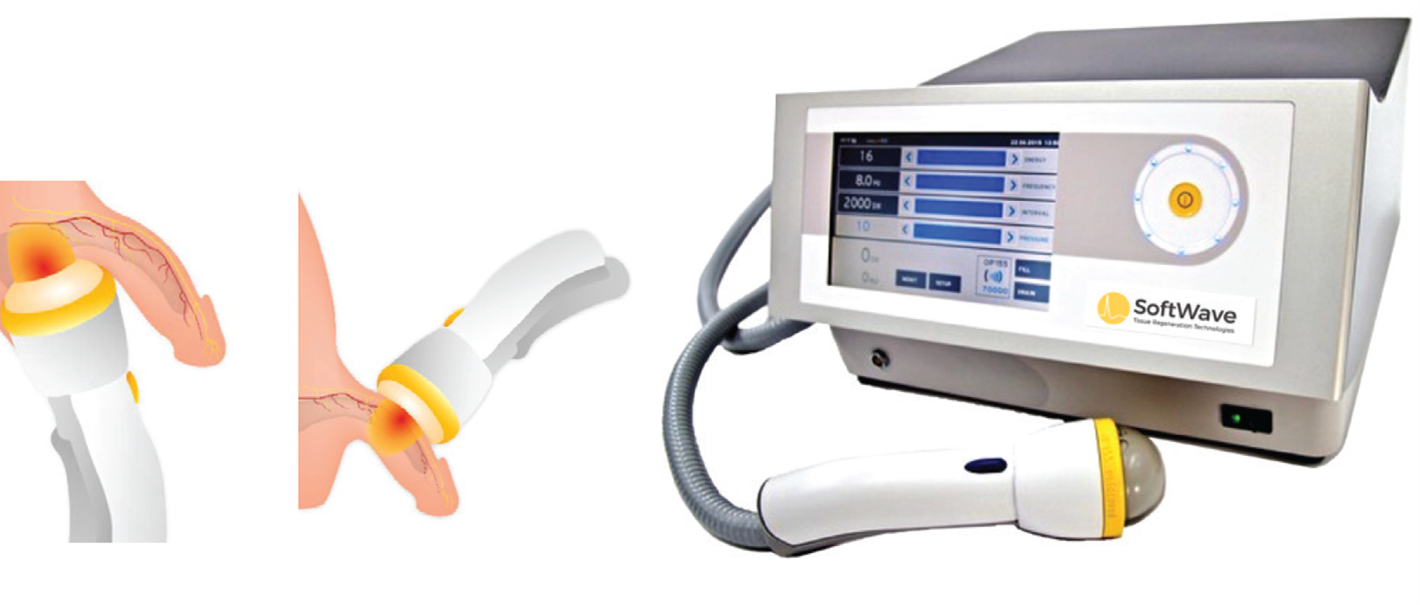
- Low intensity shock wave therapy: Sonic waves applied to the penis can stimulate stem cells and the release of growth factors to allow blood vessels to rejuvenate and allow new blood vessels to form in the penis. Age related changes and chronic disease related changes can be reversed to some degree allowing for stronger blood flow to the peins. This therapy is effective in about 65% of men and it has no harmful side effects.
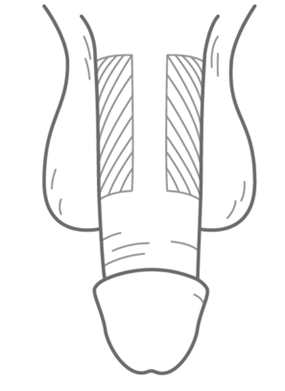
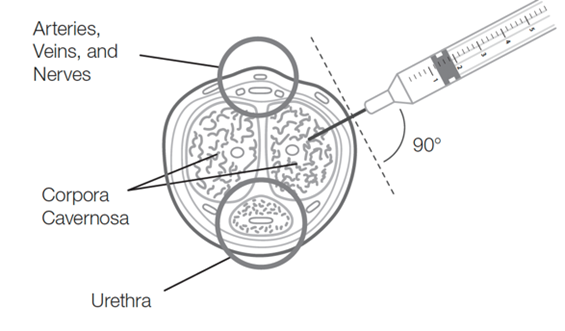
- Injection therapy: for some men low intensity shock wave and pills are not enough to restore erections and for these men, injections of a more potent medication directly into the penis will be effective in most cases. Men are instructed how to perform the injections when desired about 10 to 20 minutes prior to sex. There is a risk of a prolonged erection requiring emergency intervention so proper dosing under medical supervision is important.
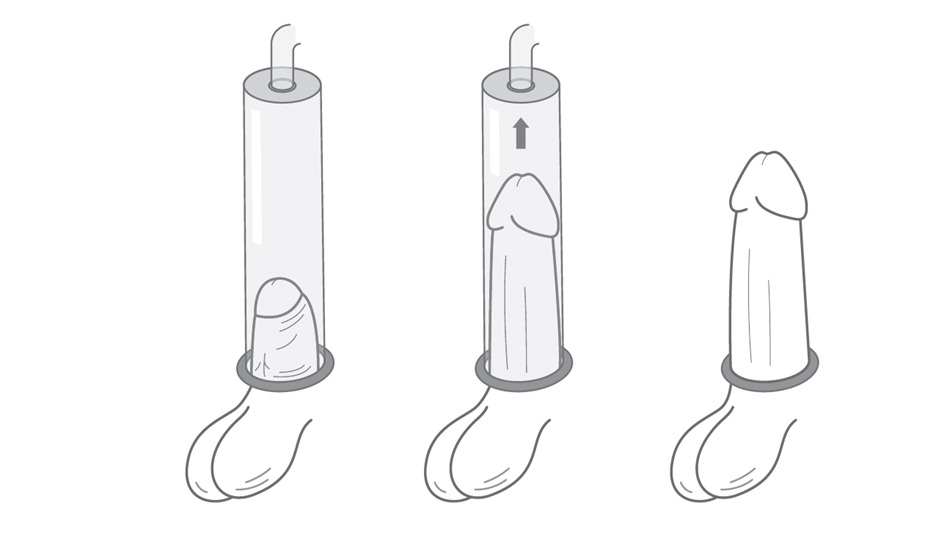
- Vacuum erection device: For men for whom low intensity shock wave, pills are not effective or for whom injections are not desired or effective, a vacuum cylinder that is temporarily placed over the penis to induce an erection can be very effective. The device is used by the man on demand for sex and can be used to help condition the penis if he has poor blood flow.
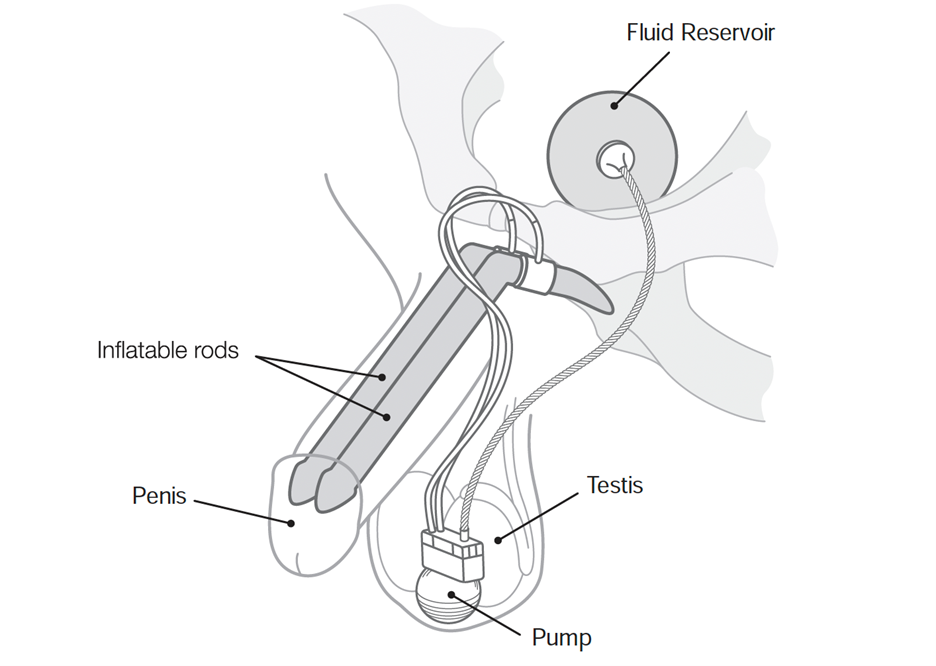
- Surgical implant: form men for whom low intensity shock wave, pills, injections and vacuum erection devices are not effective or desireable, a surgical implant can restore sexual function. The chambers of the penis that fill with blood to make the penis erect are implanted with cylinders that fill with water and the erection can be “pumped up” by the man through a control switch that is implanted in the scrotum. Dr. Spitz specializes in non surgical management of erectile dysfuncton but refers patients who require surgical implants to an expert penile implant surgeon in his practice.
- Behavioral therapy: psychological strategies can be very effective for men suffering from sexual dysfunction. In some cases underlying anxiety may interfere with normal sexual function. In many cases although there may not be underlying anxiety, nonetheless, strategies for sexual engagement and enjoyment help restore pleasure and function. Dr Spitz often refers patients to a sexual behavioral health specialist for therapy related to performance anxiety, premature ejaculation, delayed ejaculation, and some cases of low sexual desire.
Ready?
Contact the office of Dr Aaron Spitz to restore your sexual function.
Wonderful doctor both in terms of expertise and bedside manner. He's kind, reassuring, and is willing to answer all your questions. I met with a different urologist at first and she wanted to send me straight to surgery without even bothering to look at the CT Scan I brought to my consult with her. Decided to do a 2nd opinion with Dr Spitz and I’m glad I did. He looked at my old images and recommended some tests, and ordered new imaging. Once we had all that data we finally decided on surgery. At this point I felt comfortable with him performing the surgery. Surgery went smooth and I’m quite thankful for Dr Spitz expertise and care.
Dr. Spitz treated my condition perfectly. The surgery with him completely eased my anxiety and was absolutely flawless. The anesthesiologist was also excellent, and the nurses were amazing. The office staff was very courteous, providing thorough reminders and ensuring that both the consultation and surgery went smoothly without any worries. Thank you so much!!!!
I've been under Dr. Aaron Spitz’s care for the past three years, and I can confidently say he’s one of the best urologists out there. From day one, he’s been professional, compassionate, and incredibly knowledgeable.
My husband recently had a surgery with Dr. Spitz and the whole experience was top notch. Dr. Spitz's bedside manner is very good and explains everything in a kind and understandable manner. I highly recommend him for any urological issues.
I cannot recommend Dr. Spitz and the staff of the Laguna Hills facility enough. Everyone I interacted with at the clinic was professional, caring, and engaging. Dr. Spitz cared about my well being; was informative and straight forward about my condition, and an absolute super star when performing my surgery. I am a new person thanks to this team!
My reversal was 14 years after a cauterized vasectomy. It still feels miraculous to me to have had an 8 lb 14 oz baby girl just 1 short year later. I know not everyone can expect the same results but this doctor definitely has what it takes if anyone does. Me and my wife have 2 daughters now, both of whom wouldn’t be here had we not gone to Doctor Spitz.
Dr. Spitz, Happy Holidays! I wanted to drop you a quick note to let you know we’re over half way there! We’re now in our 21st week of pregnancy. The amni came out great as did the high res. ultra sound and the fetal echo (Our 6 year old had a congenital heart defect and had to undergo a Pass Procedure at 5 years old). And by the way, we’re having a girl! Thank you so much for all you did for Greg and I and for allowing us to defy the odds and have this baby! We’ll keep in touch!
Dear Dr. Spitz, Thank you for your help in beginning our journey. Our little angel was born here in Nashville, Tennessee this November.
Dr. Spitz, Last February you did a vasectomy reversal for Brian. It was our second attempt at reversing the vasectomy. You were recommended to us by Dr. Bernie Feldman. We just want to really thank you and let you know we were successful with becoming pregnant in July (the first month we tried). Brian’s surgery took about 4 and a half hours and I’m sure a lot of patience on your part. We would just like to thank you and show you a picture of our beautiful baby born on April 12.
Dr. Spitz, Just wanted to say thank you for your skill & talent which made our 3 children possible. For our family there has been no greater joy than having this family.
Dear Dr. Spitz, I am a former surgery resident at UCI and you operated on my husband in March 2010. Thank you so much for reversing his vasectomy! He was >15 years out from the vasectomy by the time we came to see you but you restored his fertility! We have an 18 month old baby girl, who we conceived with IVF, and I am now pregnant again NATURALLY with no assistive reproductive technology needed. I cannot thank you enough. This is a testament to your precise surgical skills and we are forever indebted to you. If there is anything that you need please do not hesitate to contact me! You are my hero!
Hi Dr. Spitz, You may have spoken with Dr. Moayeri, but I wanted to reach out to you to let you know that Robin and I are 9 weeks pregnant. We wanted to wait until everything looked sound in terms of the baby’s progress, and based on our last appointment with Moayeri it looks like we’re in a good place to let ourselves be out with our good news. I want to personally thank you for your helping us get to this very exciting part of our lives. Our perspective was very bleak when we first came to you last Spring for assistance and I can’t express to you enough how happy we are now with knowing that we’re going to be parents– all because of your ability to help us through those challenges we faced. I look forward to having more good news to bring you as we get further along—a name, a picture, etc. but for now I wanted to express my deepest gratitude. Thank you, once again.
We first met Dr. Spitz through the ‘Dr. Phil’ TV show. He promised to help us cross our bridge that we had encountered as a couple. Early in life, during my first marriage and shortly after the birth of my first child, I decided to have a vasectomy. Now, several years later and divorced, I met Sarah. She always wanted a child and dreamed of being a mother. Sarah, determined to make her dream a reality, wrote to the ‘Dr. Phil’ show for advice. Dr. Spitz performed my reversal procedure a few months after the show. A year later, Sarah and I married. Since then we have welcomed a beautiful baby boy named Carter into our family. He has certainly made our family complete. We have Dr. Spitz to thank for making our dream a reality.
Dr. Spitz performed a vasectomy-reversal on me. My wife and I now have a beautiful baby girl. This is especially wonderful for us because we had tragically lost a beautiful little baby girl to S.I.D.S. When Dr. Spitz heard of our situation, he offered to perform my surgery free of charge. And when he performed my vasectomy reversal, he assured me that if the first surgery did not result in a pregnancy, then after a reasonable amount of time, he would be happy to perform another slightly different surgery to increase our odds of success. I am convinced that not having to worry about investing significant amounts of money on a procedure that had no guarantees relieved me of stress, which helped us get pregnant very quickly. We will always love and miss the beautiful baby girl that we lost. Nothing will ever remove that pain, or replace Bella. However, thanks to Dr. Spitz, we now also have a beautiful 2-year-old baby girl, Katie, who brings great joy and love into our lives. We are infinitely appreciative. We think fondly of Dr. Aaron Spitz often and we wish him and his family all the best.
My husband and I came to Dr. Aaron Spitz for a reversal of a vasectomy that my husband had 10 years ago. We knew that our chances of having a child would be slim, but after meeting with Dr. Spitz we felt very optimistic about the future of our family. Dr. Spitz performed the surgery on my husband and four months later we were thrilled to realize I was pregnant. We now have a beautiful, healthy little girl. Without Dr. Spitz we wouldn’t have had our little miracle baby! We can’t thank him enough for what he did to bring the sound of little feet back into our home!
Contact Us
We are here to answer all of your questions, ease your concerns, and talk about your treatment options.